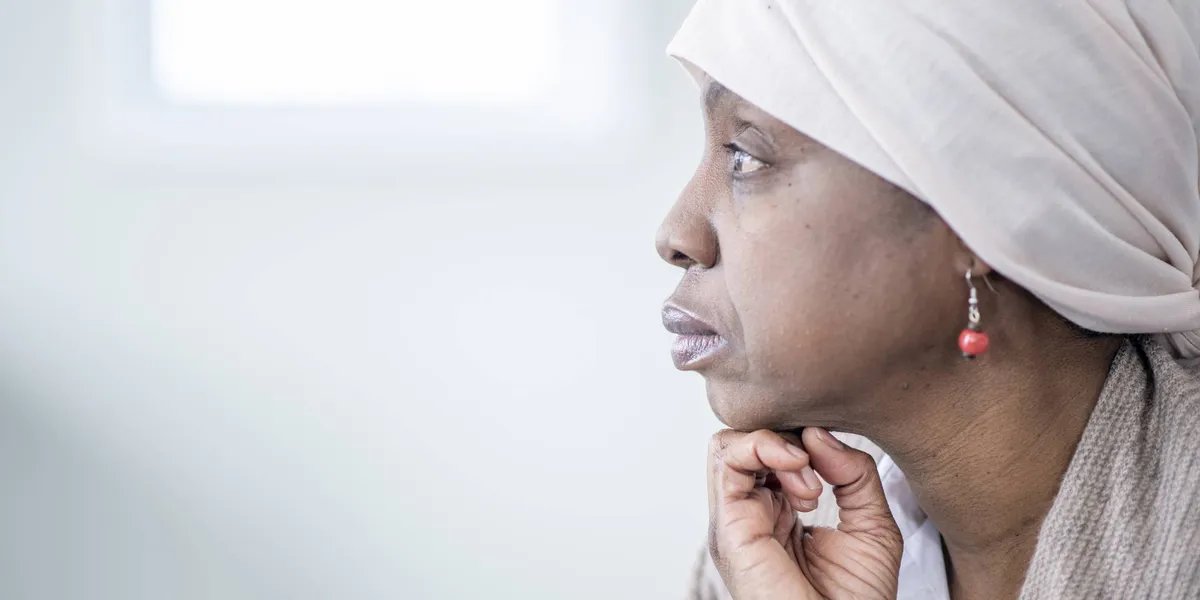
In 2015, Valarie Traynham visited her major care doctor (PCP) after weeks of intense exhaustion, severe nosebleeds, again ache and flu-like infections. Her PCP famous excessive protein ranges in Traynham’s bloodwork and referred her to a hematologist-oncologist, a physician who treats cancers of the blood. Seeing a hematologist didn’t alarm Traynham, who’d suffered from anemia, however she didn’t grasp till later that the physician was additionally an oncologist, and her situation could be extra severe than she thought.Traynham, then 42, obtained extra exams, together with full physique X-rays and a bone marrow biopsy that led to her being identified with a number of myeloma, a illness she’d by no means heard of. She was instructed to start out therapy instantly. After three classes, Traynham turned so sick she wanted a wheelchair to take her from the automotive to the power. She felt one thing wasn’t proper, and her aunt, a breast most cancers survivor, prompt she go to a specialist.“After I was identified with myeloma at a local people heart, I wasn’t going to get a second opinion as a result of I simply wished to start out therapy and eliminate it,” Traynham stated. “I keep in mind the physician saying, ‘You’ll be able to go if that’s what you wish to do, however they’re going to inform you a similar factor I’m telling you.’”Traynham went anyway, a choice that may have saved her life. It additionally began her path to turning into an advocate for a number of myeloma consciousness and schooling within the Black group.
What’s a number of myeloma?
A number of myeloma is the second commonest blood most cancers within the U.S. African People and Hispanic persons are disproportionately affected by the illness. African People symbolize 20% of all a number of myeloma sufferers, despite the fact that they make up simply 14% of the inhabitants. Whereas some environmental elements can improve the danger of a number of myeloma, the illness has a hyperlink to MGUS, a blood situation that may be a threat issue for most cancers and is discovered extra generally in Africans and African People. Hispanic folks additionally get a number of myeloma at larger charges than non-Hispanic white folks and are sometimes identified at a youthful age, based on the Worldwide Myeloma Basis.African American sufferers are additionally twice as prone to die from a number of myeloma than white sufferers, however a 2024 examine discovered they had been simply as probably as white sufferers to outlive after they had equal entry to care and therapy. “I often divide the disparities in mortality charges into two classes associated to well being basically after which particular to a number of myeloma,” stated Joseph Mikhael, M.D., medical advisor for the Worldwide Myeloma Basis and an professional in a number of myeloma disparities. “For common well being, these disparities embody systemic racism, the healthcare system and social determinants of well being closely influenced by socioeconomic results. Myeloma-specific causes are primarily delayed prognosis and diminished entry to key therapies.” Mikhael stated the common myeloma affected person, no matter racial background, has a 3–6 month delay in prognosis and visits a major care clinician a median of thrice with signs earlier than getting the suitable prognosis. For Black and Hispanic sufferers, he stated the delay averages 3–6 months longer, usually on account of lack of entry to major care, distrust within the healthcare system and insurance coverage restrictions to testing.Different well being situations which can be extra frequent in Black and Hispanic sufferers can mimic a number of myeloma signs, resulting in a delayed prognosis. A number of myeloma signs like bone ache, fatigue, anemia and kidney dysfunction are additionally frequent signs of diabetes, arthritis and persistent kidney illness. Black and Hispanic sufferers can also have extra pre-existing comorbidities. For instance, weight problems is a threat issue for a number of myeloma, and nearly half of all Black People reside with weight problems. Black and Hispanic sufferers are much less prone to obtain therapies that enhance survival charges, akin to mixture drug therapies, stem cell transplants and T-cell therapies. Participation in scientific trials with novel and evolving therapies can also be low, usually on account of a lack of awareness and schooling about trials, restricted entry to tutorial facilities and amenities providing specialised therapy, and fewer caregiving assist through the course of. African People symbolize simply 8% of most cancers scientific trial individuals.Lack of entry isn’t all the time monetary. Sufferers dwelling in rural areas or counting on group well being settings can face therapy delays, as Traynham did regardless of with the ability to drive from her residence in Aurora, Illinois, to a specialist in Chicago. As soon as she visited the myeloma specialist, she acknowledged how totally different the care was from her former clinician, who handled all types of most cancers. The myeloma specialist instructed Traynham he didn’t know why she was given an older routine when extra superior remedies existed.The significance of group voicesHaving assist from her aunt and her good friend, a most cancers survivor as properly, helped persuade Traynham of the significance of searching for further care. That’s why she’s now a vocal advocate for Black sufferers dwelling with a number of myeloma, main assist teams and discussing the significance of seeing specialists, getting second opinions after prognosis and becoming a member of scientific analysis trials.“There weren’t plenty of Black folks speaking and Black faces represented once I was in search of assist, despite the fact that we’re disproportionately affected by a number of myeloma,” she stated. “I do not need sufferers to need to undergo what I skilled, pondering you are alone and never realizing there are totally different therapy choices and that you’ve a voice in your care. Most cancers stole quite a bit from me, so I made a decision I wasn’t going to be quiet about this.”The growth of packages like Standing within the Gaap, created in 2016, additionally assist advance equitable care and tackle the experiences of African People and different communities with a number of myeloma. This system launched a significant a number of myeloma survey this 12 months, supposed to uncover elements behind obstacles to and gaps in care. The survey will attain greater than 1,000 folks together with these dwelling with a number of myeloma, caregivers and clinicians, lots of whom come from rural communities dealing with these gaps and obstacles. The outcomes of the survey, one of many largest a number of myeloma surveys ever performed in america, will foster community-informed engagement and enhance culturally responsive approaches to care. Affected person advocacy organizations, together with these serving medically underserved sufferers, contributed enter to the survey growth. Mikhael, who has labored with Standing within the Gaap, can also be concerned with M-Energy, a program to assist tackle a number of myeloma disparities by specializing in group engagement, cultural competency schooling for clinicians in major care settings and enhancing take care of sufferers. This system additionally works to extend variety in scientific trials and connects medical college students from traditionally Black schools and universities to a number of myeloma consultants for initiatives in well being disparities. This system plans to increase to Latino communities, Mikhael stated.“I’ve performed packages everywhere in the nation — in church buildings, group facilities, fraternities/sororities, barber retailers and different venues to boost consciousness of a number of myeloma, achieve belief for the medical group and supply assist to a group so adversely affected by this illness,” he stated. Traynham’s journey wasn’t simple. Along with a number of myeloma, she additionally fought by a breast most cancers prognosis at 46. Now 52, she’s cancer-free and calls this era her “thriving stage.” “It is so vital that we as African People have protected, trusted areas the place we will be susceptible, ask questions, and have that sense of connection and group,” she stated. “Within the most cancers group, we’re not all the time included. That is one cause I am so captivated with ensuring folks really feel seen, heard and understood on this most cancers journey.”This instructional useful resource was created with assist from Bristol Myers Squibb, creators of the Standing within the Gaap program and a HealthyWomen Company Advisory Council member.From Your Website ArticlesRelated Articles Across the Internet
Supply hyperlink